Bankside rubbish collection for flats near Blackfriars Bridge
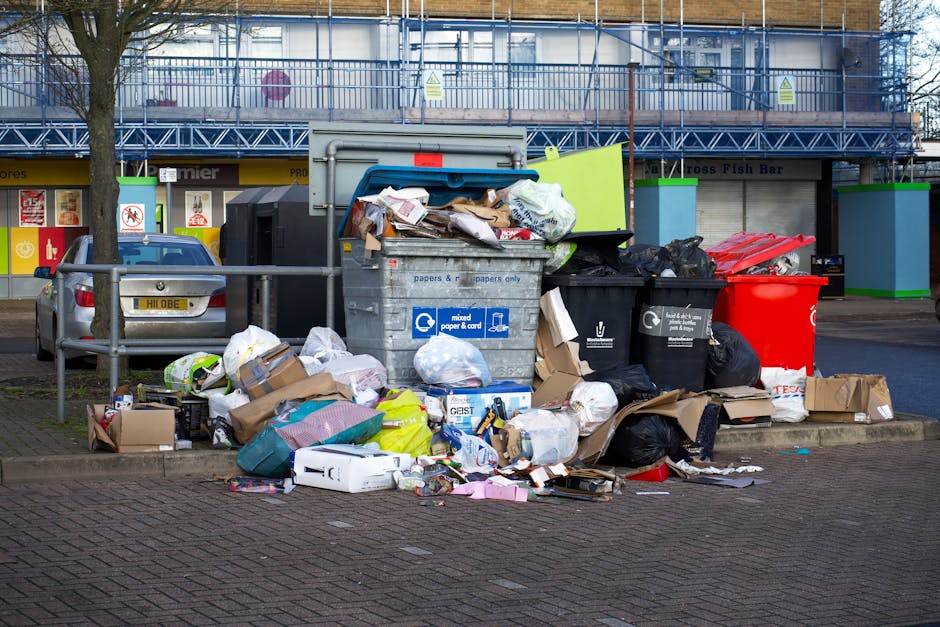
If you live in a flat around Bankside and you've got a pile of unwanted items building up by the front door, you'll know the feeling: it starts with one bag, then a broken chair, then a box of "I'll deal with that later" things. Before long, the hallway looks tighter, the lift feels smaller, and everyone's pretending not to notice. That is exactly where Bankside rubbish collection for flats near Blackfriars Bridge becomes useful.
This guide explains how flat rubbish collection works in a busy central London setting, what makes it different from ordinary household waste, and how to choose a sensible service without making the whole job harder than it needs to be. We'll cover access issues, lift and stairwell realities, sorting and disposal, compliance basics, and a few practical tips that can save you time, stress, and the kind of awkward neighbour chat nobody wants on a Tuesday morning.
Why Bankside rubbish collection for flats near Blackfriars Bridge Matters
Bankside and the streets around Blackfriars Bridge are not the easiest places to move bulky waste. Flats are often above ground level, access can be tight, loading space may be limited, and building managers usually want clear communication before anything is removed. Add in traffic, pedestrians, and the general reality of central London logistics, and you quickly see why a casual "we'll just put it out later" approach can go wrong.
For residents, the issue is rarely just rubbish. It's about keeping communal spaces clear, avoiding complaints, and making sure unwanted items leave the building in a tidy, organised way. In a shared block, one abandoned sofa or pile of bags in the wrong place can become everyone's problem. That's especially true where hallways are narrow, lifts are shared, or the building has service rules about where waste can be left.
There is also a practical side to timing. If you are decluttering before a move, clearing a rental flat, or getting ready for decorators, delays are costly. A few extra days with waste sitting around can mean blocked access, more dust, more stress, and a mess that feels bigger at the end of the day than it really is. Truth be told, clutter expands in the mind as much as on the floor.
Expert summary: in dense residential areas like Bankside, rubbish collection works best when it is planned around access, building rules, and item type rather than just volume. That little bit of planning usually makes the whole process calmer, faster, and cleaner.
How Bankside rubbish collection for flats near Blackfriars Bridge Works
In simple terms, flat rubbish collection is a managed removal of unwanted items from your property, usually from inside the flat, a hallway, a lobby, or an agreed collection point. The practical detail matters. A good service will ask what you need removed, how accessible the flat is, whether there is a lift, and whether any items need to be separated for recycling or special handling.
For many flats near Blackfriars Bridge, the job starts with a short description and a quote based on the type and amount of waste. That may be followed by a scheduled collection window. On the day, the team arrives, checks access, and removes the items. If the work involves mixed waste, bulky furniture, appliances, or awkward items, it usually helps to have everything grouped together in advance.
Some items can be taken as part of general waste removal, while others are better handled as dedicated services. For example, old sofas and beds often benefit from specialist handling, especially if they are bulky, stained, damaged, or awkward to move. Similarly, appliances can need careful handling because of weight, cables, and disposal rules. If you are dealing with a full flat, a broader service such as flat clearance may be more suitable than a one-off bag collection.
In practice, the key question is: what exactly is leaving the building? Once that is clear, the rest becomes much easier. It sounds obvious, but so many delays happen because no one has actually listed the items properly. A broken wardrobe, a mattress, a bag of kitchen bits, and a couple of boxes of paper are not all the same job. Not even close.
Key Benefits and Practical Advantages
The biggest benefit is simplicity. You do not need to hire transport, find parking, or spend your afternoon carrying heavy bags down stairs. For flats near Blackfriars Bridge, that alone can be the difference between a job that gets done and a job that gets put off for weeks.
There are some less obvious advantages too:
- Less disruption in communal areas - items can be removed in one organised visit rather than left in hallways.
- Better handling of bulky items - large furniture and appliances are easier to manage with the right equipment and manpower.
- More suitable for central London access - collection can be planned around building access, traffic, and loading constraints.
- Cleaner end result - a proper collection service should leave less mess behind than a rushed DIY move.
- Improved recycling potential - separating reusable or recyclable materials is easier when the job is handled by people who do this every day.
Another advantage, and this matters more than people think, is peace of mind. When rubbish is removed by a team that understands disposal routes and item types, you are less likely to end up wondering whether something was handled properly. For residents and landlords alike, that calm feeling is worth a lot.
If the clear-out involves old chairs, tables, wardrobes, or a hard-to-move sofa, you may also find the dedicated pages for furniture clearance and mattress and sofa disposal useful. They are relevant when the problem is not general rubbish, but heavy items that need a more careful plan.
Who This Is For and When It Makes Sense
This kind of service is a strong fit for residents and property professionals dealing with shared buildings, compact flats, or time-sensitive clearances. A few common scenarios stand out.
Private tenants often need rubbish collection when moving out and trying to leave the flat tidy enough for check-out. Nobody wants to lose time on the final day because there is still a pile of old household stuff by the door.
Landlords and letting agents may need a quick turn-around after a tenancy ends. In that situation, mixed waste, leftover furniture, and damaged items can be a real obstacle to getting the property ready again.
Homeowners in flats may use collection after a declutter, refurbishment, or a simple "we've kept this too long" weekend. It happens. A cupboard fills up, then a room fills up, then suddenly the flat feels smaller than it really is.
Building managers and resident associations may also arrange collections when communal waste has piled up or bulky items have been dumped in shared areas. In those cases, timing and clear communication become even more important.
The service makes most sense when the waste is more awkward than ordinary bin rubbish. That could mean furniture, appliances, broken storage units, boxed clutter, builder's leftovers after minor works, or a mix of items that would take several trips to remove yourself. For larger or mixed loads, home clearance, house clearance, or even builders waste clearance may be a better match than standard rubbish collection.
Step-by-Step Guidance
If you want the process to run smoothly, it helps to break it down. Here is a practical way to handle it without overthinking every tiny detail.
- List everything that needs to go. Separate general waste, furniture, appliances, and anything that might need special handling.
- Check access in the building. Note lift size, stairs, entry codes, loading restrictions, parking pressure, and any time limits for collections.
- Ask your building manager about rules. Some flats have specific collection points, protected flooring, or quiet-hour restrictions.
- Group items together. Keep waste in one place if possible, away from fire exits and corridors.
- Identify anything sensitive or private. Paperwork, mail, old devices, and storage boxes may need separate handling, especially if they contain personal information.
- Request a clear quote. A fair quote should reflect item type, access, and volume, not just a vague guess.
- Confirm the collection window. In central London, timing matters. If your building is busy in the morning, ask for a slot that fits the rhythm of the block.
- Prepare the route. Make sure hallways are clear on the day. It sounds small, but it saves a lot of awkward shuffling.
- Check what happens after removal. Good practice includes sorting, recycling where possible, and compliant disposal.
If the job includes a fridge, freezer, washing machine, or similar item, look for proper fridge and appliance removal rather than treating it as ordinary rubbish. Appliances are heavy, awkward, and can catch people out if they are not handled properly.
And if there is any doubt about whether an item is acceptable for a particular method, it is often smarter to ask first rather than assume. That tiny pause can save a whole mess later.
Expert Tips for Better Results
The best collections are usually the ones where the resident has done a little prep work, not a lot, just enough. Here are a few practical tips that make a real difference.
- Take photos before the collection. A quick photo set helps confirm the load and reduces confusion about what is included.
- Separate fragile items. Glass, mirrors, and crockery can become messy if thrown in with heavier waste.
- Keep lift access free if you can. If you are in a block with a shared lift, try to avoid tying up access during busy periods.
- Tell neighbours if the collection may be noisy. A simple heads-up goes a long way, especially in buildings with thin walls.
- Use a service that understands flat access. Stairs, tight corners, and long carries are part of the job in Bankside. Not every waste team plans for that properly.
- Ask about recycling and reuse. Some items can be diverted from disposal, which is better for the environment and often better for your conscience too.
If you have a mix of unwanted household items, it can help to think in categories rather than just as "junk". Furniture, soft furnishings, appliances, paperwork, and odd bits of renovation debris each have their own path. That is why services such as recycling and sustainability and confidential shredding are worth considering where relevant.
A small aside from real life: the cleanest flat clearances are usually the boring ones. Everything labelled, everything in the right place, and nothing left for the team to guess. Boring is good here.
Common Mistakes to Avoid
There are a few traps people fall into again and again. They are easy to avoid once you know what to look for.
- Leaving everything until the last minute. This leads to rushed sorting and higher stress.
- Mixing special items with general waste. Appliances, sharp materials, and potentially hazardous items should not be treated the same way as ordinary household rubbish.
- Ignoring access details. A collection plan that works on paper can fail fast if the lift is too small or parking is impossible.
- Assuming one service covers everything. It often does not. Sofa disposal, appliance removal, and hazardous items may need different handling.
- Not checking building rules. This can lead to unnecessary delays or complaints from neighbours and management.
- Choosing on price alone. Cheapest is not always best if the provider is not prepared for flat access or mixed waste.
One especially common mistake is underestimating the time needed to gather items from different rooms. A flat with a loft cupboard, a balcony, and a storage nook can hide more clutter than you expect. You think you're done, then you open one more cupboard and, well, there it is.
If your clear-out also involves storage areas, a broader service like loft clearance or garage clearance may be more suitable than a simple rubbish pick-up.
Tools, Resources and Recommendations
You do not need much equipment for a straightforward collection, but a few simple tools can make the process easier and safer.
| Item or resource | Why it helps | Best used for |
|---|---|---|
| Strong bags or boxes | Keeps loose rubbish contained and easier to move | Paper, small household waste, mixed light items |
| Label tape or notes | Helps separate keep, donate, and remove piles | Pre-collection sorting |
| Protective gloves | Reduces the risk of cuts and dirty hands | Any handling of rough or unknown items |
| Photos of the load | Supports accurate quoting and planning | Bulkier or mixed collections |
| Building access notes | Helps the team plan entry, lift use, and parking | Flats with restricted access |
For people comparing services, it also helps to look beyond the removal itself. A provider that is clear about pricing and quotes, payment and security, and insurance and safety tends to be easier to deal with. That does not automatically make them the best fit, of course, but it does suggest a more organised operation.
When in doubt, keep your planning simple. One list, one collection point, one clear understanding of what is leaving. That is usually enough.
Law, Compliance, Standards, and Best Practice
For rubbish collection in London flats, the main thing is to use a service that handles waste responsibly and follows normal UK waste management practice. You do not need to become a legal expert to get this right, but you do need to avoid dumping items in common areas or handing waste to someone who cannot dispose of it properly.
Where items may be hazardous, sharp, contaminated, or otherwise unsuitable for ordinary collection, they should be treated with extra care. That applies especially to certain household chemicals, damaged electronics, and some refurbishment waste. If something feels questionable, it probably deserves a separate check rather than a quick guess.
Good practice usually includes:
- keeping shared hallways and exits clear
- not blocking access routes for residents or emergency use
- separating reusable, recyclable, and general waste where possible
- handling confidential paper and personal documents properly
- using appropriate care for heavy, sharp, or fragile items
If you are clearing a flat that contains paperwork, old files, or any private records, confidential disposal matters. That is where a service like confidential shredding makes practical sense. Likewise, if the job includes items that are potentially hazardous, you should look closely at hazardous waste disposal rather than assuming everything can be tipped together.
There is also a sustainability angle worth caring about. Recycling is not just a nice slogan; it is part of sensible waste handling. Reusing what can be reused, separating recyclables, and reducing landfill where possible is the kind of detail that makes a real difference over time. A good provider should be open about that approach.
Options, Methods, or Comparison Table
There are several ways to deal with rubbish from a flat near Blackfriars Bridge. The right choice depends on access, amount, and item type. Here is a straightforward comparison.
| Method | Best for | Pros | Watch-outs |
|---|---|---|---|
| Self-removal | Very small loads | Low direct cost, full control | Parking, lifting, time, and disposal responsibility fall on you |
| Regular bin disposal | Normal household waste only | Convenient for everyday rubbish | Not suitable for bulky items or large clear-outs |
| Specialist rubbish collection | Mixed, bulky, or awkward waste from flats | Fast, organised, less manual effort | Needs accurate item details and access planning |
| Full flat clearance | Emptying a property or handling a large declutter | Most efficient for bigger jobs | More planning needed, especially for valuables and paperwork |
| Skip-based solution | Works better when access and placement are suitable | Useful for ongoing refurbishment waste | Not always practical for central flat blocks; check building and street constraints first |
For many Bankside flats, a skip is not the neatest answer. Space is tight, street placement can be awkward, and a shared building often needs a quicker, more targeted solution. In those cases, a direct collection is simply easier.
If you are comparing options, you may also want to review what can go in a skip so you understand where skip use makes sense and where it does not. It can save you from assuming one method fits everything. It rarely does.
Case Study or Real-World Example
Imagine a two-bedroom flat just off the river, with a narrow hallway, a shared lift, and a few awkward items left after a long declutter. There is an old armchair, a broken bookcase, a microwave that no longer works, three bags of mixed household rubbish, and a stack of cardboard from new furniture that has already arrived. Nothing dramatic. Just enough to feel messy.
The resident groups the items in one room, checks the building rules, and confirms a collection time that avoids the busiest lift period. They also separate a small pile of paperwork for shredding and make a note of the appliance. On the day, the team can come in, load the items efficiently, and leave the hallway clear. No second trip. No last-minute panic. No dragging a chair down stairs at 7:30 in the morning while trying not to wake half the building.
That kind of job is common in Bankside. It is not about dramatic clearances or huge estates. It is usually the ordinary stuff that has quietly got out of hand. And because it is ordinary, people often delay it. Then they spend all weekend looking at a pile of things that are, frankly, not going anywhere by themselves.
For this sort of scenario, a focused flat clearance or targeted furniture disposal service is usually the most efficient route. The right choice depends on what is actually there, but the principle stays the same: keep it organised, keep it clear, keep it moving.
Practical Checklist
Use this checklist before your collection day. It is simple, but it covers most of the things that cause avoidable headaches.
- Make a list of all items to be removed
- Separate general rubbish from furniture, appliances, and paper
- Check lift access, stairs, and any loading restrictions
- Confirm the flat number and collection point
- Tell the building manager if required
- Clear hallways and doorways
- Keep fragile or sharp items apart
- Set aside valuables, documents, and anything you are keeping
- Ask how reusable or recyclable items will be handled
- Review pricing details before confirming the job
Quick takeaway: the cleaner the prep, the smoother the collection. That applies whether you are clearing a single sofa, a whole flat, or just a stubborn pile of things that has been staring at you for weeks.
Get a free quote today and see how much you can save.
Conclusion
Bankside rubbish collection for flats near Blackfriars Bridge is really about making a tricky urban task feel manageable. In a busy part of London, with shared access, limited space, and real pressure to keep things tidy, the value of a well-planned collection becomes obvious very quickly. It saves time, reduces stress, and helps you avoid the small chaos that spreads through a block when rubbish is left too long.
If you keep the job simple, separate your items properly, and choose a service that understands flat access, the whole experience becomes far less painful than most people expect. Not glamorous, no. But practical, effective, and strangely satisfying when the space is finally clear again.
And honestly, there is nothing quite like standing in a freshly cleared flat with the afternoon light coming through the window and thinking, "Right then, that's better."
Frequently Asked Questions
What is Bankside rubbish collection for flats near Blackfriars Bridge?
It is a collection service designed to remove unwanted waste, bulky items, and household clutter from flats in the Bankside and Blackfriars Bridge area. It is especially useful where access, stairs, lifts, and communal spaces make DIY disposal awkward.
Is this the same as flat clearance?
Not always. Rubbish collection can refer to smaller or targeted removals, while flat clearance usually means a more complete emptying of the property. If you are dealing with multiple rooms or a large mix of items, flat clearance may be the better fit.
Can bulky furniture be collected from a flat?
Yes, in many cases. Sofas, wardrobes, tables, chairs, and beds are commonly removed from flats. For awkward or heavy items, dedicated furniture disposal or sofa and mattress handling is often the safest approach.
Do I need to sort items before collection?
It helps a lot. You do not always need a perfect system, but separating furniture, general rubbish, appliances, and paperwork makes the job smoother and can help with recycling or special handling.
What if my flat has no lift?
That is common in some older buildings. It does not stop collection, but it does affect timing, labour, and access planning. You should mention stairs clearly when arranging the job so the team can prepare properly.
Can appliances be taken away too?
Yes, many collections include appliances, but they should be handled as appliances rather than general rubbish. Items like fridges, freezers, and washing machines can need more careful removal and disposal.
How do I know if something counts as hazardous waste?
If an item contains chemicals, sharp materials, contaminated contents, or other risk factors, treat it cautiously. When in doubt, ask before collection. Do not mix questionable items in with ordinary household waste.
What should I do with personal documents or files?
Keep them separate and do not leave them in mixed rubbish. If you need secure disposal, a confidential shredding service is the more sensible route.
Is rubbish collection better than hiring a skip for a flat?
Often yes, especially in central London flats where access and placement are difficult. A direct collection is usually more practical for bulky items and mixed waste. A skip can make sense for some jobs, but not all.
How can I prepare my flat for collection day?
Make a clear list of items, group them together, keep walkways free, and check building rules in advance. If you can, take a few photos for reference. It saves time and cuts down confusion.
Will the waste be recycled where possible?
That should be part of good practice. Many items can be sorted for reuse or recycling depending on condition and material. It is sensible to ask how the service handles recycling and sustainability before you book.
What is the best next step if I want to book?
Start by listing the items you want removed, then check your access details and preferred timing. From there, you can review the service options and get a clear quote. If your job includes furniture, appliances, or mixed household waste, mention that early so the plan matches the real load.